CETIM focuses on the promotion and implementation of economic, social and cultural rights (ESCR). They are the backbone of human rights and a powerful tool for achieving a self determinated development model by peoples. This is particularly true for the most vulnerable and marginalised populations. Properly implemented, these rights contribute to the respect for human dignity and to the achievement of social justice. On the contrary, the violation of any of them can jeopardise the enjoyment of all the others.
The universality, indivisibility and interdependence of human rights are enshrined in international instruments. Yet, we are still a long way from their effective implementation for all, and ESCR are among the worst off. Indeed, the basic needs (food, water, health, housing, education) of a third of humanity are still not being met. In some respects, the situation has even deteriorated, including in the countries of the North. This is due to the fact that the policies adopted at economic level accentuate ESCR violations and cause
– increased poverty
– growing inequality across the world
– multiple crises (political, economic, financial, environmental, social and cultural).
By definition, human rights are designed to protect citizens from the arbitrary actions of the most powerful and their governments
The international health crisis linked to COVID-19 has only exacerbated this situation. It has also shown the importance of implementing public policies based on ESCR. In particular, the right to health, the right to housing, the right to food, the right to water, the right to work, the right to education and the right to social security.
But for human rights to be better respected, they must be known, they must be demanded and they must be enforced. However, victims are often unaware of their rights and of the mechanisms available to them for appealing (at national, regional or international level). States, which have an obligation to inform and educate their citizens about human rights, often fail in their duties.
The role played by civil society organisations and social movements in human rights education and training is therefore crucial
– to denounce human rights violations
– to contribute to the implementation of existing standards.
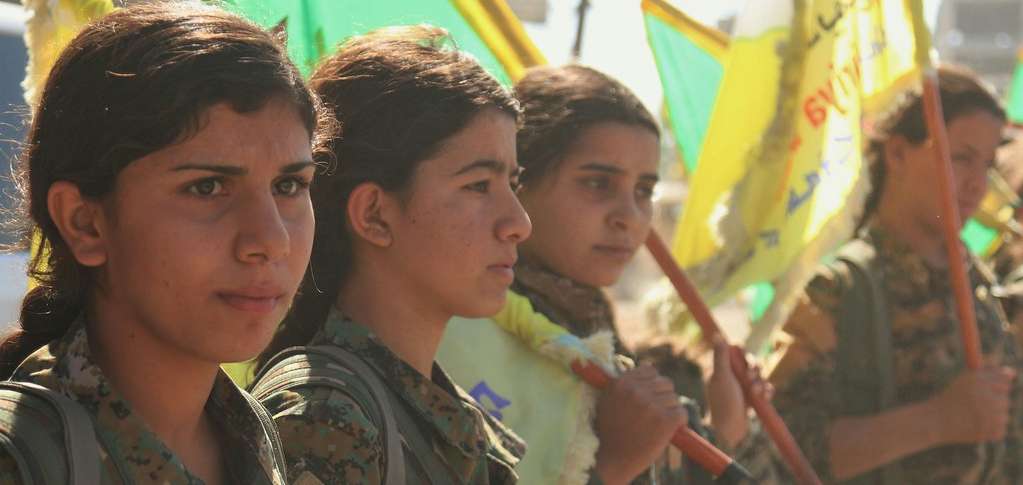
CETIM is extremely concerned by the recent developments in Syria. It reaffirms its support for the people, social movements, and other groups committed to building a democratic and sovereign Syria that respects the country’s ethnic and cultural diversity. For over 15 years, Syria has been caught up in a constant cycle of violence. The civil […]
Continue reading
HUMAN RIGHTS COUNCIL 60th session 8th of September – 8th of October 2025 [Excerpt of the statement] The High Level International Conference for the Peaceful Settlement of the Question of Palestine and the Implementation of the Two State Solution, and its outcome document – the so-called New York Declaration – are yet another demonstration of […]
Continue reading
HUMAN RIGHTS COUNCIL 60th session 08 September – 08 October 2025 [Excerpt of the declaration] Most recently, the refusal to issue visas to representatives of the State of Palestine, preventing them from participating in the General Assembly in New York, constitutes a flagrant breach of international law and of the US’ responsibilities as the host […]
Continue reading
While human rights and their defense are widely discussed, the protection of economic, social, and cultural rights is less well known to the general public. We are sharing an interview conducted by Voix Populaire with Melik Özden, author of a recent book on the subject and director of CETIM, one of the driving forces behind […]
Continue reading
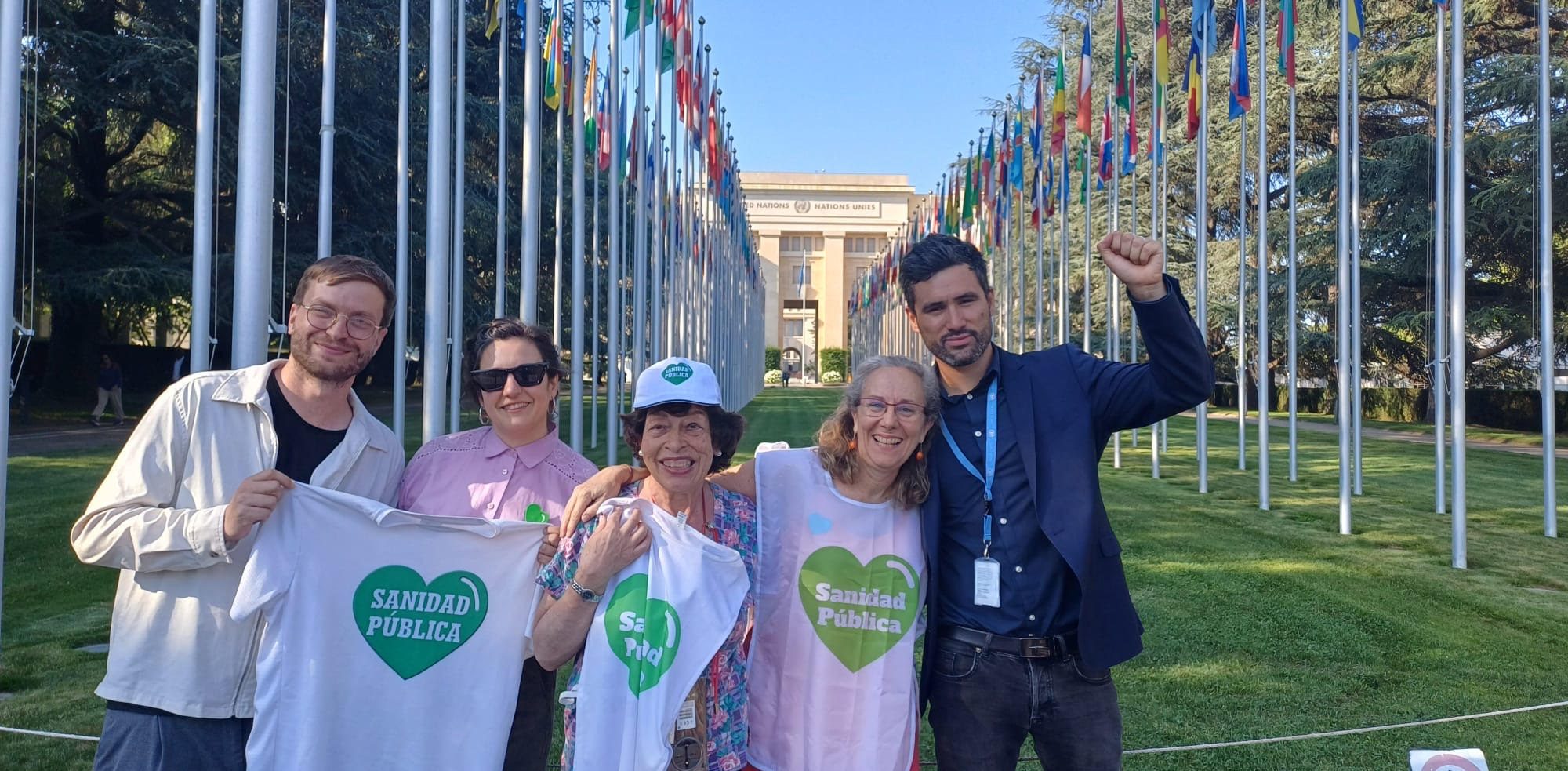
PRESS RELEASE Geneva / Madrid, the 23rd of June 2025 Three residents of a working-class neighborhood in the Community of Madrid took part in the 59th session of the United Nations Human Rights Council in Geneva to denounce the alarming deterioration of the public healthcare system in their region. As members of the “Vecinas y […]
Continue reading
1
2
3
…
45
Next »