CETIM focuses on the promotion and implementation of economic, social and cultural rights (ESCR). They are the backbone of human rights and a powerful tool for achieving a self determinated development model by peoples. This is particularly true for the most vulnerable and marginalised populations. Properly implemented, these rights contribute to the respect for human dignity and to the achievement of social justice. On the contrary, the violation of any of them can jeopardise the enjoyment of all the others.
The universality, indivisibility and interdependence of human rights are enshrined in international instruments. Yet, we are still a long way from their effective implementation for all, and ESCR are among the worst off. Indeed, the basic needs (food, water, health, housing, education) of a third of humanity are still not being met. In some respects, the situation has even deteriorated, including in the countries of the North. This is due to the fact that the policies adopted at economic level accentuate ESCR violations and cause
– increased poverty
– growing inequality across the world
– multiple crises (political, economic, financial, environmental, social and cultural).
By definition, human rights are designed to protect citizens from the arbitrary actions of the most powerful and their governments
The international health crisis linked to COVID-19 has only exacerbated this situation. It has also shown the importance of implementing public policies based on ESCR. In particular, the right to health, the right to housing, the right to food, the right to water, the right to work, the right to education and the right to social security.
But for human rights to be better respected, they must be known, they must be demanded and they must be enforced. However, victims are often unaware of their rights and of the mechanisms available to them for appealing (at national, regional or international level). States, which have an obligation to inform and educate their citizens about human rights, often fail in their duties.
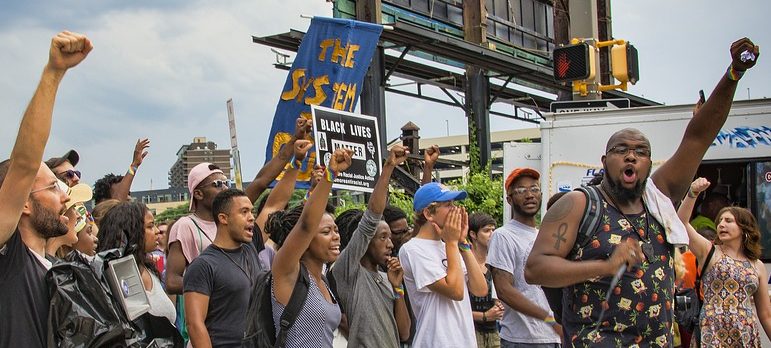
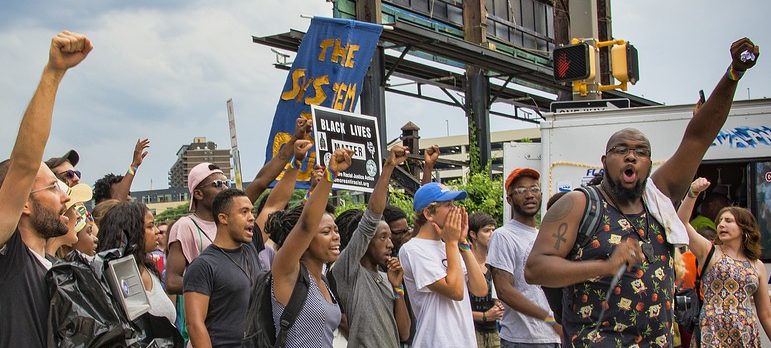
The role played by civil society organisations and social movements in human rights education and training is therefore crucial
– to denounce human rights violations
– to contribute to the implementation of existing standards.
HUMAN RIGHTS COUNCIL 35th session 06 June – 23 June 2017 [Excerpt of the declaration] We thank the Special Rapporteur on Rights to freedom of peaceful assembly and association for her report, which addresses the values, and I quote, “the values of preserving human freedom, dignity and rights, the necessity of active participation in decisions […]
Continue reading
HUMAN RIGHTS COUNCIL 35th session 06 June – 23 June 2017 [Excerpt from the statement] In this regard, we are alarmed by the health situation in the plains region of Argentina. Our partners from the Regional Assemblies of Fumigated Villages, the Network of Doctors of Fumigated Villages and the Association of Environmental Lawyers informed us […]
Continue reading
The ever greater audience of extreme right – or downright fascist – movements in the very heart of “Old Europe”, the victory of the Brexit in the United Kingdom and the election of Donald Trump in the United States are troubling developments.
Continue reading
The ever greater audience of extreme right – or downright fascist – movements in the very heart of “Old Europe”, the victory of the Brexit in the United Kingdom and the election of Donald Trump in the United States are troubling developments.
Continue reading
HUMAN RIGHTS COUNCIL 34th session 27 Febrary – 24 March 2017 [Exerpt from the declaration] CETIM has been alerted by its partner, the Union des Syndicats du Tchad (UST), to the seriousness of the situation of Chadian civil servants who are subject to violations of their trade union rights. Read the declaration in French Watch […]
Continue reading
« Previous
1
…
15
16
17
18
19
…
45
Next »